
Spanish Verb Conjugation Charts

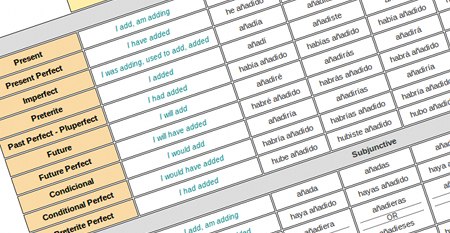
Translation of the verb and a full conjugation for all verb tenses
Use our Spanish Verb Conjugation Tool (and translator) to conjugate and translate over 10,000 spanish verbs.
View full verb charts as well as example sentences containing the verb. There is no better way to master verb conjugation.
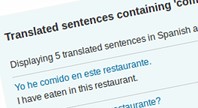
Verb Conjugations in Real Sentences
Along with each verb entered, you'll see real sentences translated into English and Spanish that show the verb in context. Many of the sentences contain audio, allowing you to hear pronunciation from a native speaker.
Print Spanish Verb Conjugation Charts
Simply click on the PDF icon above or below the conjugated verb chart and you can download a printable version of the chart along with translated sentences.

Spanish Verbs by Letter
Listed below are some of the commonly selected verbs. Click on the verb and you will see its full conjugation and translation.
acortar adolecer amortizar anotar cantar cargosear comer conocer contratar converger costar dar decir dormir empezar escribir estar haber hablar hacer impar impartir incorporar injertar ir jugar leer llegar oir pedir pensar poder poner postergar querer saber salir salpicar seguir ser sermonear tener teorizar topetar traer venir ver vivir volver yodar
Popular Phrase: emigrar conjugation | Spanish Lesson | Conjugated Verb: traslucir - to show, to reveal [ click for full conjugation ]